Snapsight
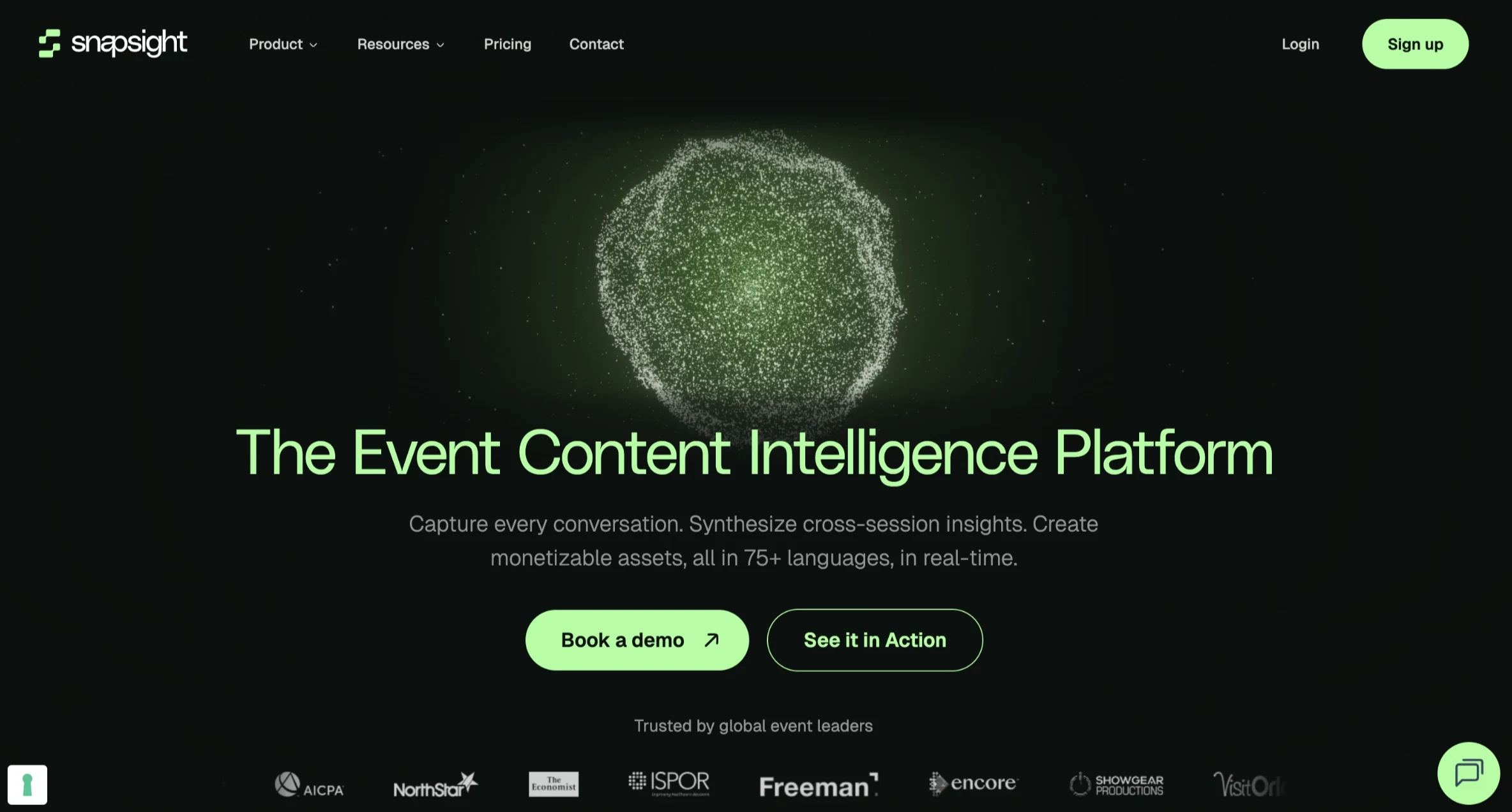
Snapsight was sitting on a breakthrough AI product but their website was still telling the old story. I led a full redesign — new visual identity, design system, and conversion-optimised UX copy — that helped them close a 125% annual sales increase.
The Brief
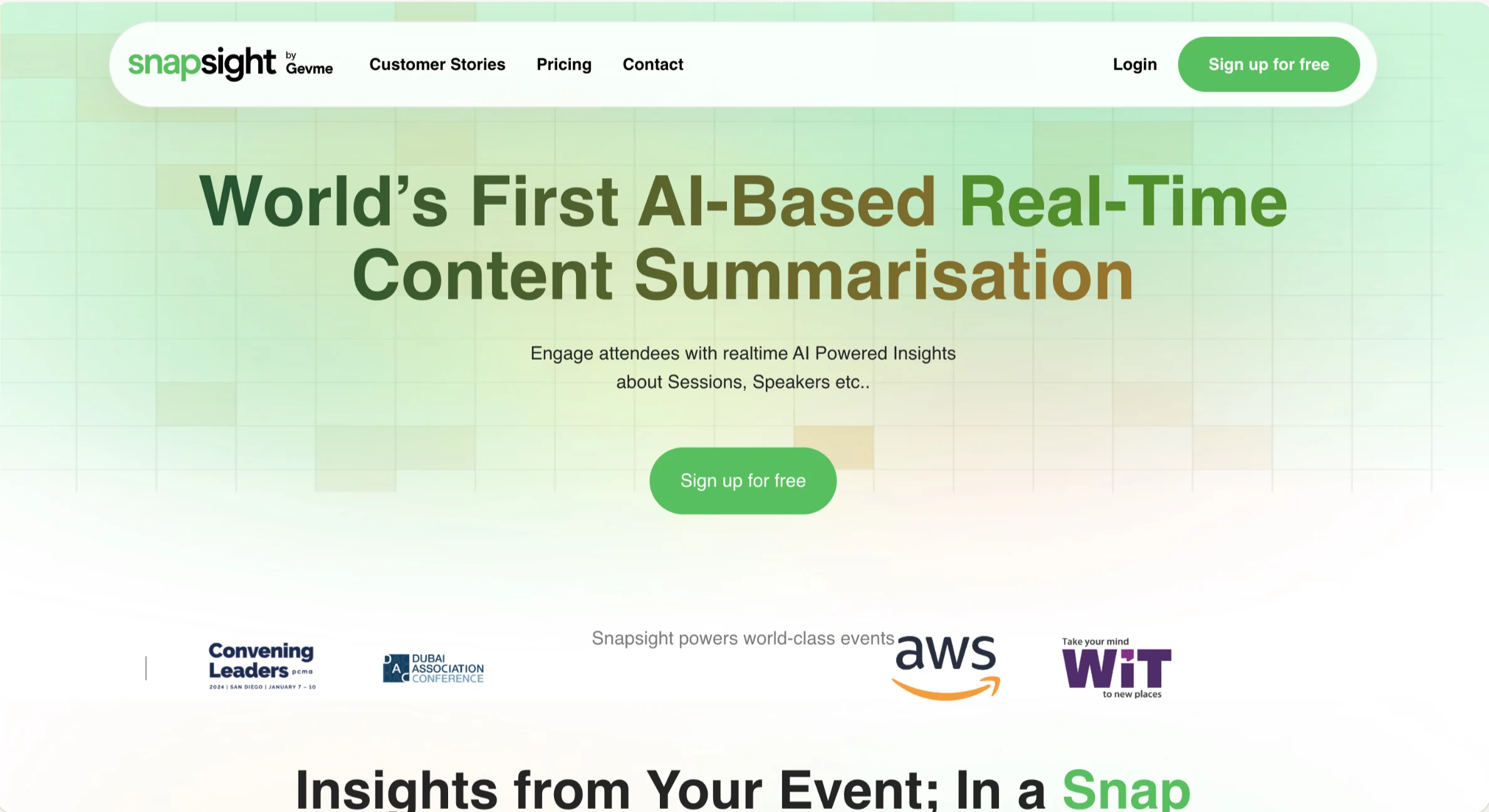
Snapsight AI had evolved significantly — from a post-event survey tool to a full AI-powered event intelligence platform. But their website still read like the old product. Enterprise buyers visiting the site were confused about what Snapsight actually did, and the demo request flow had a drop-off problem the team had been tolerating for months.
— Snapsight CEO
The ask was end-to-end: new positioning, a visual refresh, a scalable design system, and handoff-ready specs. Eight weeks, shipped.
I led the project solo, collaborating with Snapsight's marketing lead on messaging and their dev team for implementation review and Framer build.
Success looked like: a website that instantly communicated the AI value proposition to an enterprise EventTech buyer, drove more demo requests, and could be maintained and extended without me.
Research & Strategy
Design Decisions
The original homepage opened with a generic tagline about "event insights." I restructured the hero to lead with the AI-specific outcome — what changes for the buyer after using Snapsight. The new headline tested significantly better in copy testing: clarity score up from 4.1 to 8.6/10 with target users.
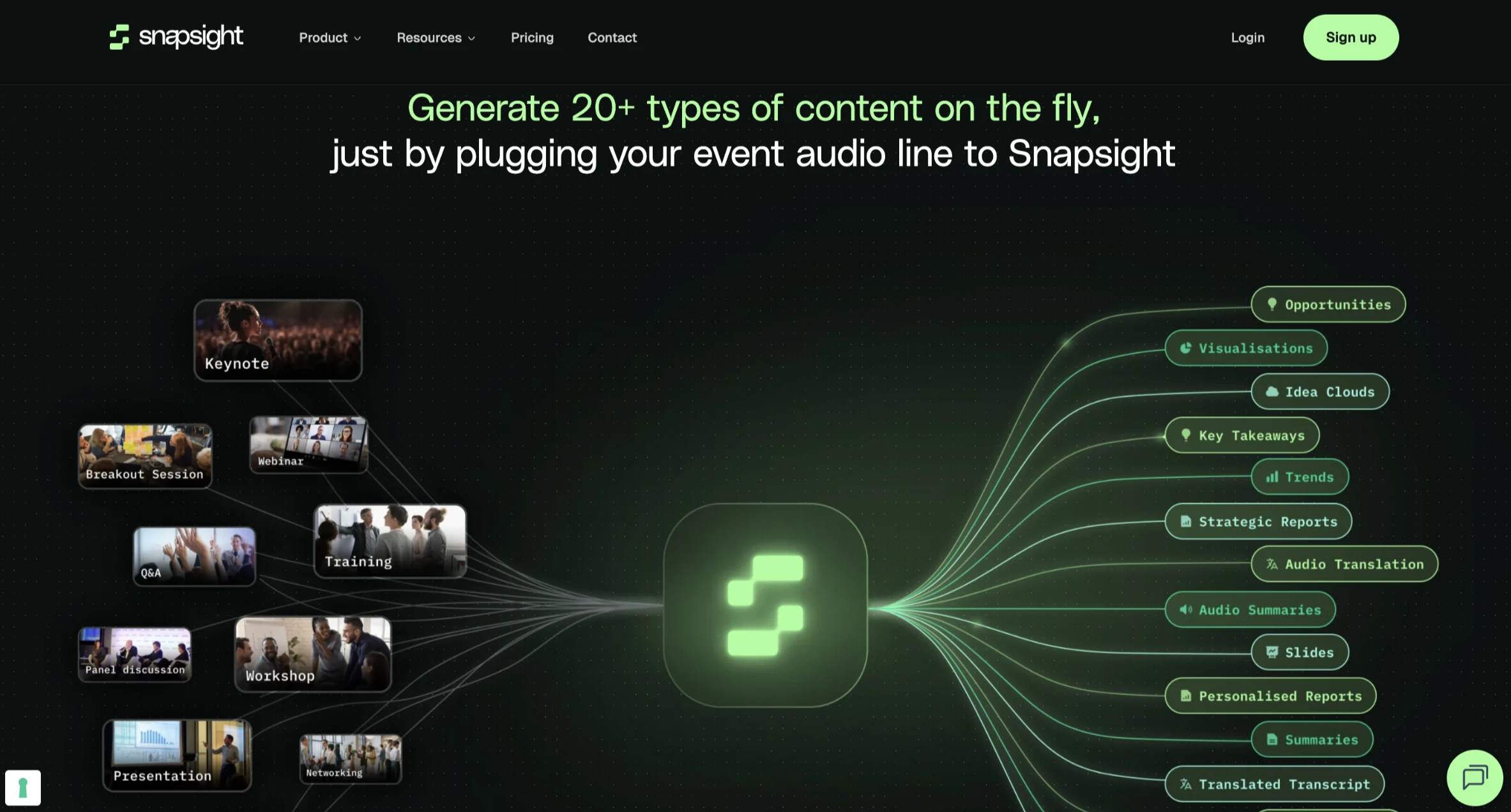
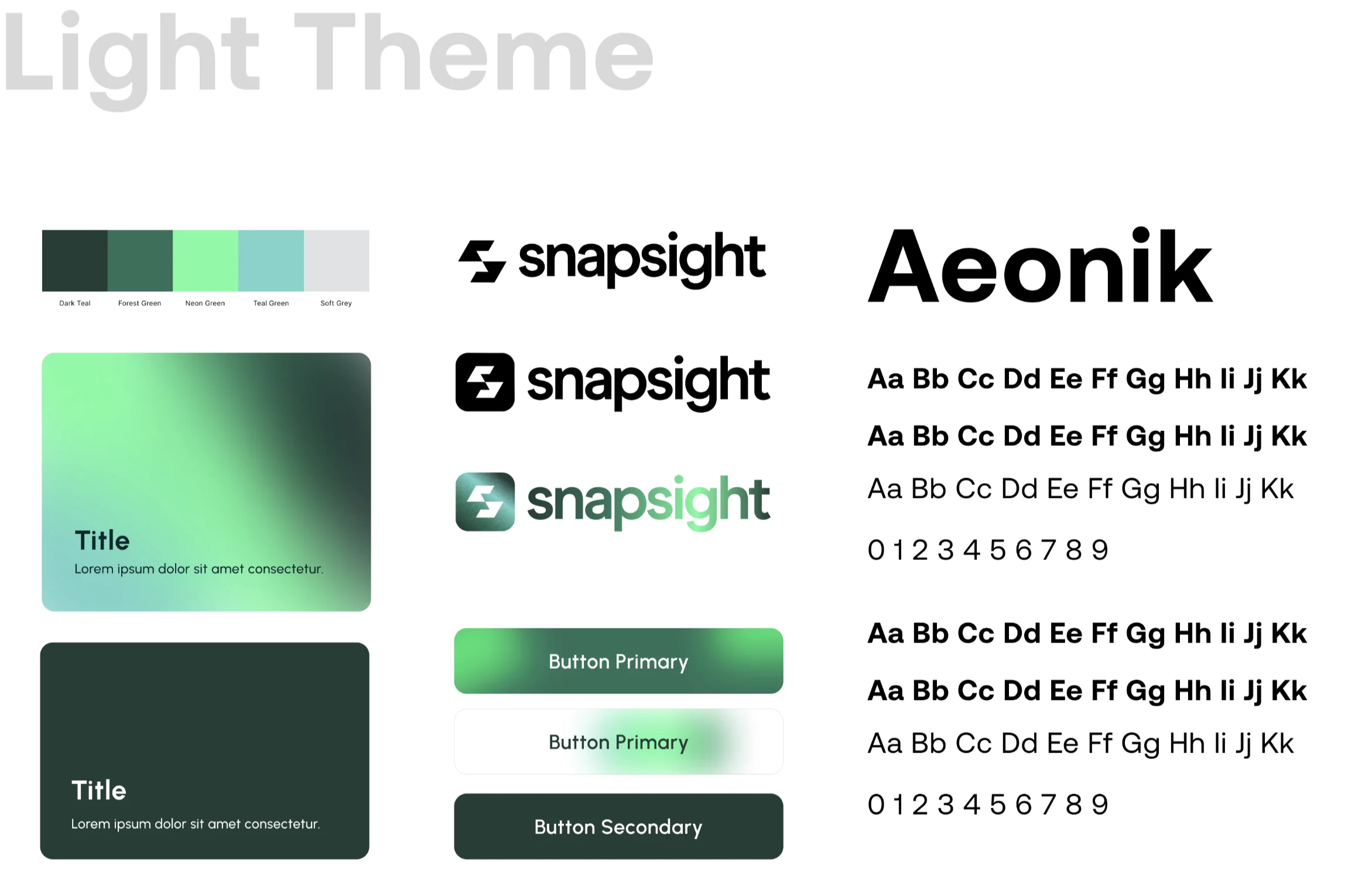
The original design used a dated blue-and-white palette with stock photography. I developed a new visual system: dark-mode primary with a signature accent, custom data visualisation components as decorative elements, and a motion language that implied intelligence without being gimmicky.
Rewrote all body copy, CTA labels, and feature descriptions to focus on buyer outcomes rather than product capabilities. Replaced "AI-powered sentiment engine" with "Know exactly how your audience felt — instantly." Every CTA now states the next concrete step, not an abstract invitation.
Built a Figma component library the marketing team could extend without breaking the visual system. Created a Framer CMS structure so blog posts, case studies, and feature pages could be added by non-designers — reducing design dependency for content updates.
Results
Measured against 90-day pre-launch baseline. The redesign launched in April 2025.
Have something in mind?
Let's make it work.
Ex-Founder, Product Manager & Designer. Based in Dubai.